Why Sump Pump Maintenance Matters Before Storm Season
Eastern North Carolina knows how to deliver a storm. From late-summer hurricanes to nor'easters in winter, the Jacksonville area sees its share of heavy rain and rising water tables. For homeowners with a basement or crawlspace, a sump pump is often the first line of defense against Basement Waterproofing failures. But like any mechanical system, a sump pump needs regular attention to work when you need it most. Waiting until the first named storm is on the radar is a recipe for a flooded basement and a costly cleanup.
Storm season flooding doesn't just happen to homes near the coast. Inland neighborhoods in Jacksonville and surrounding communities can experience saturated soil and power outages that overwhelm a neglected pump. A few hours of preventive maintenance now can save you thousands in water damage later. The goal is simple: make sure your pump is clean, your discharge line is clear, and your backup system is ready to take over if the primary pump fails.
Sump Pit Care: The Foundation of a Reliable System
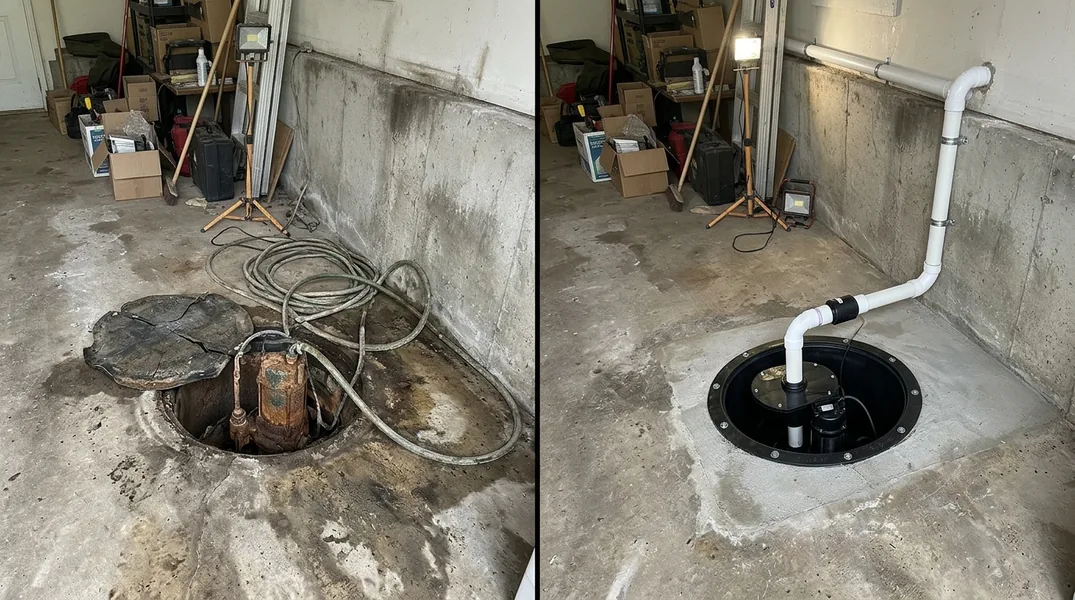
The sump pit is where everything starts, and it's also where problems often begin. Over time, sediment, gravel, and debris can accumulate in the pit, reducing its capacity and clogging the pump intake. Before storm season, remove the pump cover and inspect the pit. You should see a relatively clean basin with the pump sitting upright and the float mechanism free to move. If the pit is full of sludge, now is the time to clean it out. A clogged intake can cause the pump to overheat or fail entirely during a heavy rain event.
Also check that the pit is properly sized for your pump and that the lid is secure but not airtight. A tight lid can create a vacuum that interferes with water flow. If your pit shows signs of chronic dampness or the walls are crumbling, it may be time to consider a more comprehensive solution like an Interior Drain Tile System that directs water to the pit more efficiently. Proper sump pit care is a simple habit that pays off when the next storm rolls through.
Testing Your Sump Pump and Check Valve
A sump pump that runs quietly doesn't necessarily mean it's working. Test it by pouring a bucket of water into the pit and watching the float rise. The pump should kick on quickly, discharge the water, and shut off cleanly. If it hesitates, makes grinding noises, or runs continuously, you have a problem that needs attention before storm season. While you're at it, inspect the Foundation Waterproofing around the pit for cracks or signs of seepage.
The sump pump check valve is a small but critical component. It prevents water from flowing back into the pit after the pump shuts off, which would cause the pump to cycle repeatedly and burn out. A faulty check valve can also allow water to sit in the discharge line, where it can freeze or stagnate. Test the valve by listening for a solid thud when the pump stops, which indicates it's closing properly. If you hear gurgling or the pump short-cycles, replace the check valve. It's an inexpensive part that protects a much more expensive pump.
Battery Backup Sump Pump: Your Safety Net During Outages
Storm season flooding often comes with power outages, and a primary sump pump without backup is useless when the electricity goes out. A battery backup sump pump is designed to kick in automatically when the main pump loses power or fails. If you don't have one, this is the single most important upgrade you can make before storm season. Even a modest backup system can keep your basement dry during the critical hours after a storm when the grid is down and water is still rising.
If you already have a battery backup, test it now. Most units have a test button or a float that you can lift manually. Check the battery terminals for corrosion and make sure the battery is fully charged. Batteries have a limited lifespan, typically three to five years, so replace yours if it's older. For homeowners in Richlands and other nearby areas, a backup system paired with regular maintenance is the best way to avoid the mess and expense of a flooded basement. If you're unsure about your setup, a professional inspection can give you peace of mind.
Sump Pump Maintenance Near Me: When to Call a Pro
Some maintenance tasks are DIY-friendly, like cleaning the pit and testing the float. But if you notice persistent problems, strange noises, or signs of water damage around your foundation, it's time to call a professional. A qualified technician can assess your entire system, from the pump and check valve to the discharge line and backup power. They can also identify underlying issues that might require Exterior Basement Waterproofing or other solutions to keep water away from your foundation in the first place.
If you're searching for sump pump maintenance near me in the Jacksonville area, look for a company that understands local storm patterns and soil conditions. Jacksonville Waterproofing offers thorough inspections and maintenance services tailored to Eastern North Carolina homes. Don't wait until the first storm warning to discover your pump isn't ready. Call (910) 915-4979 to schedule a checkup or request a free estimate for any repairs or upgrades you need.
Looking for a professional basement waterproofing contractor in Jacksonville? Jacksonville Waterproofing responds fast for all your basement waterproofing needs.
Get a Free QuoteOur services: Basement Waterproofing · Interior Drain Tile System · Exterior Basement Waterproofing